
The Hidden Math of No-Shows: Forecast, Prevent, Recover
Learn the real cost of no-shows, a simple forecasting model, and practical plays to prevent missed appointments and recover revenue.
1) The true cost of a “missed slot” (it’s bigger than you think)
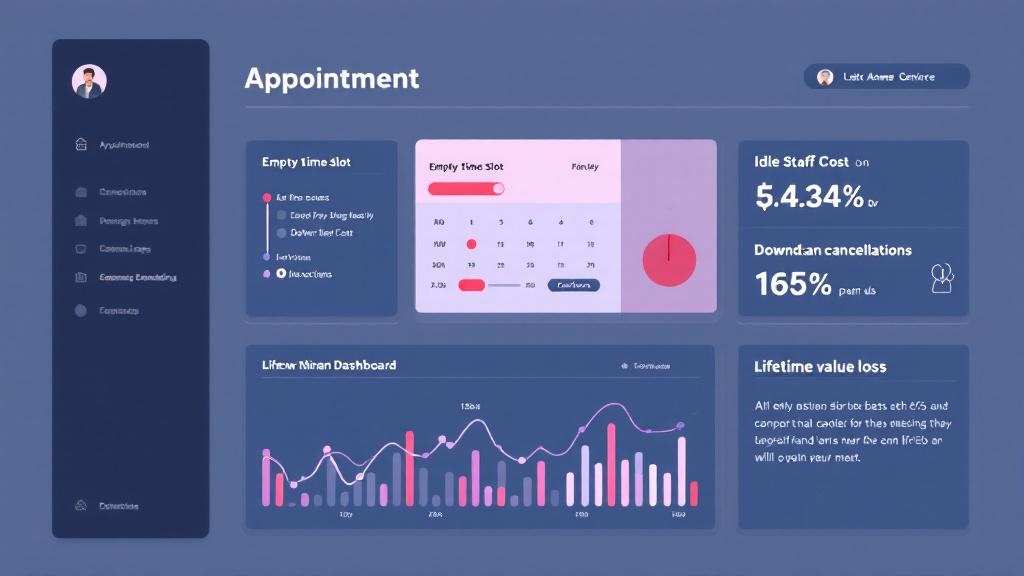
No-shows are rarely just one empty chair. In appointment-operations, the visible loss is the service fee, but the hidden loss includes staff idle time, wasted prep, and the ripple effect on the rest of the day: late starts, rushed service, and follow-on cancellations. In revenue-management terms, a no-show also distorts capacity planning—owners overbook to compensate, which can degrade experience when everyone does show.
The largest hidden line item is lifetime value. A missed visit often becomes a broken habit: the customer forgets, feels awkward returning, or tries a competitor. That means you don’t just lose today’s revenue; you lose future bookings, referrals, and predictable cash flow. If you run a clinic, salon, tutoring schedule, repair shop, or reservation-based restaurant, the “true cost” is the expected margin of repeat visits minus the cost to reacquire.
This is why no-shows belong in the same conversation as retention: preventing one missed appointment can be worth several future appointments—especially in WhatsApp-heavy markets where fast, personal messaging shapes behavior.
2) A practical no-show forecasting model you can run weekly
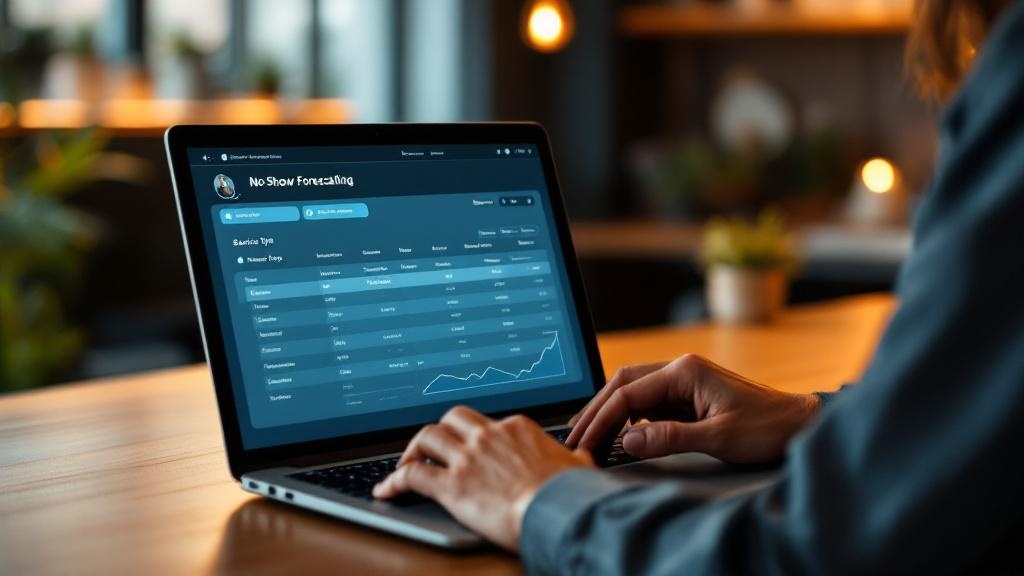
You don’t need a data team to improve forecasting. Start with a simple baseline: your no-show rate by service type (e.g., whitening vs. cleaning), day/time (Monday morning vs. Saturday afternoon), and customer history (new, repeat, recently lapsed). Create a table that tracks: scheduled appointments, attended appointments, and no-shows for each segment. Even 4–8 weeks of history produces actionable patterns.
Then calculate an expected no-show probability per segment: no-shows ÷ scheduled. For example, “new customers, weekday evenings, high-ticket service” might be 18%, while “repeat customers, midday, routine service” might be 4%. Multiply probability × expected gross margin to estimate weekly risk. That’s revenue-management you can use: it tells you where to tighten confirmations, where to use a waitlist, and when to consider deposits.
Tools like WhatsAffirm Automation can connect this forecasting to the booking itself—so the rules that reduce no-shows (and improve retention) are driven by the customer record, service type, and timing instead of one-size-fits-all reminders.
3) Prevent and recover: confirmations, reminders, waitlists, and win-back plays
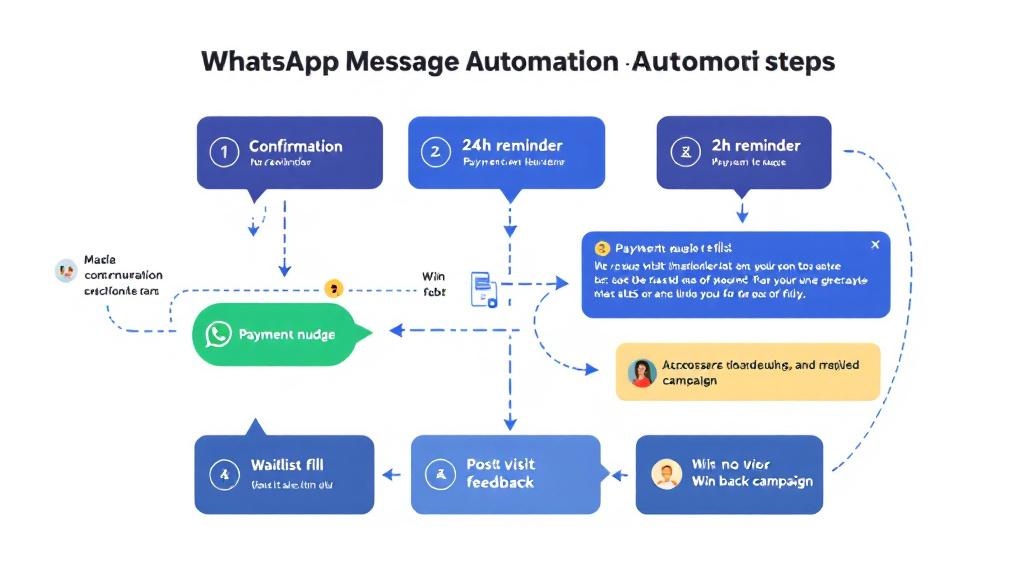
Once you’ve identified high-risk segments, match them to prevention plays. Start with confirmation flows that reduce ambiguity (“Reply 1 to confirm / 2 to reschedule”), then timed reminders (e.g., 24 hours and 2 hours before) that include frictionless actions: directions, policy, and a reschedule link. For higher-risk services, add a payment nudge or deposit request to increase commitment without adding front-desk workload. These are classic no-shows levers, but they work best when rules-based and consistent.
Next, build recovery into your appointment-operations. Use a waitlist to backfill last-minute gaps, and trigger an immediate “we missed you” sequence that offers a fast rebook option rather than a scolding. After the visit, collect feedback to protect retention: low ratings should alert the team quickly, while satisfied customers should receive a timely rebooking prompt.
Finally, run targeted win-back campaigns: segment by tags and visit history (e.g., “no visit in 90 days” or “missed last appointment”) and track replies, rebooks, and revenue recovered. With WhatsApp-first automation—like WhatsAffirm Automation—you can turn forecasting into repeatable prevention and recovery, not just reports.